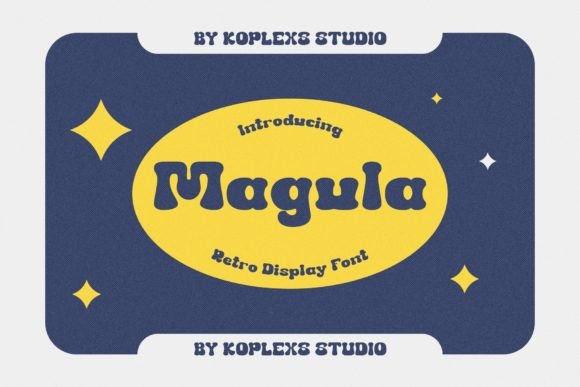
Magula Font: A Retro Groovy Typeface for Makers
When I first loaded Magula into my design software, the immediate wave of nostalgia was undeniable. As a creator who spends hours perfecting candle labels and sticker sheets for my online shop, finding the right Fonts is often the most challenging part of the process. This specific Display typeface arrived at the perfect moment, just as I was refreshing my summer collection with a distinct 1970s aesthetic. The curvy, playful letters of Magula instantly transformed a plain mockup into a vibrant piece of retro art, proving that the right typography can do the heavy lifting in brand identity.
Bringing 60s and 70s Vibe to Candle Labels and Packaging
The primary reason I reached for Magula was its ability to capture that authentic groovy era without feeling like a cheap imitation. In the world of handmade goods, packaging is everything. I tested this font on a series of soy wax candle labels, aiming for a vintage apothecary look with a fun twist. The thick, rounded strokes of the letters held up beautifully against the textured paper background. Unlike some delicate scripts that get lost on small surfaces, this Display font commands attention. It is one of those rare Fonts that balances personality with legibility, making it ideal for product names like "Lavender Haze" or "Citrus Sunset." The visual weight of Magula ensures that even from a distance on a craft fair table, the branding pops, drawing customers in with its warm, inviting curvature.
Designing Eye-Catching Stickers and Digital Printables
For sellers of digital downloads and physical stickers, versatility is key. I integrated Magula into a sheet of motivational quote stickers, pairing short phrases like "Good Vibes" and "Stay Groovy" with simple floral illustrations. The result was cohesive and charming. Because Magula is inherently a Display typeface, it shines when used for headlines rather than body text. I found that keeping the text short allowed the unique character shapes to breathe. When creating printable wall art or planner headers, this font adds an instant layer of professional design flair. It eliminates the need for excessive graphic elements because the letterforms themselves are decorative enough to stand alone. For anyone looking to expand their shop’s offerings with trendy, retro-inspired items, these Fonts provide a solid foundation for high-converting designs.
Creating Warm Invitations and Wedding Stationery Mockups
Beyond retail products, I explored how Magula could elevate event stationery. I created a mockup for a casual backyard wedding invitation suite, where the couple wanted a relaxed, festival-like atmosphere. Using Magula for the couple’s names and the main header gave the invitation a friendly, approachable feel that formal serif fonts simply cannot achieve. It softened the overall look, making the event feel more like a celebration among friends than a rigid ceremony. However, readability is crucial here. I paired Magula with a clean, lightweight sans serif font for the detailed information such as dates, times, and locations. This contrast ensured that while the headline grabbed attention with its groovy charm, the essential details remained easy to read. This strategic use of Display typography demonstrates how mixing font styles can create a balanced and effective hierarchy in design projects.
Readability Tips for Cutting Machines and Small Merchandise
As a maker who frequently uses Cricut and Silhouette machines, I always test how well a font cuts before committing to a large batch. Magula performed surprisingly well, but there are limitations to consider. Because of its curvy, connected nature, it is best suited for larger cuts such as tote bag decals, wooden signs, or oversized stickers. I would not recommend using it for tiny jewelry tags or intricate die-cuts where the inner counters of letters like 'e' or 'a' might be too small to weed effectively. When working with heat transfer vinyl for shirts, the boldness of Magula is an asset, ensuring the design remains visible after multiple washes. For smaller applications, I suggest increasing the tracking slightly to prevent the letters from merging during the cutting process. Understanding these technical nuances helps makers avoid wasted materials and ensures a polished final product.
Pairing Magula with Other Typefaces for Brand Consistency
To get the most out of Magula, understanding font pairing is essential. Since it is a strong Display option, it needs supportive partners. I found that combining it with a minimalist sans serif creates a modern-retro clash that feels very current. Alternatively, pairing it with a subtle handwritten script can add a personal touch to logos or social media graphics. The key is to let Magula be the star. Use it for titles, logos, and short emphasis points. Reserve simpler Fonts for paragraphs and instructional text. This approach maintains visual interest without overwhelming the viewer. For boutique owners, consistent use of this pairing across business cards, packaging inserts, and website banners builds a recognizable brand identity. It signals to customers that attention to detail is a priority, enhancing the perceived value of every handmade item sold.
Licensing and Commercial Use for Handmade Sellers
Before incorporating any new typeface into your commercial workflow, checking the licensing terms is a non-negotiable step. Magula is designed with creators in mind, but ensuring you have the correct license for physical products, digital templates, or merchandise is vital for protecting your business. Whether you are selling printed mugs, custom t-shirts, or editable Canva templates, knowing the boundaries of your font license prevents legal issues down the road. Most premium Display fonts offer specific commercial licenses that cover these uses, providing peace of mind as your shop grows. By investing in properly licensed assets, you support the designers who create these tools and ensure your own business operates on a solid, professional foundation. This respect for intellectual property is part of being a responsible and successful maker in today’s creative economy.